Best Games Like Lost Life
Best Games Like Lost Life: 15 Psychological Horror Picks for 2026
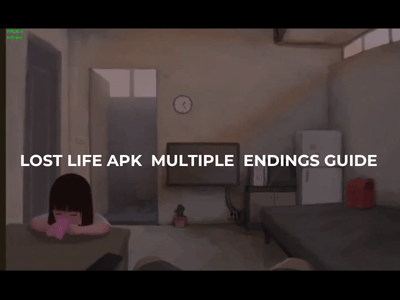
If Lost Life kept you up at night second guessing every choice you made you’re not alone. This guide rounds up the best games like Lost Life covering the psychological horror branching stories and multiple endings that made the original such a talking point in mobile horror.
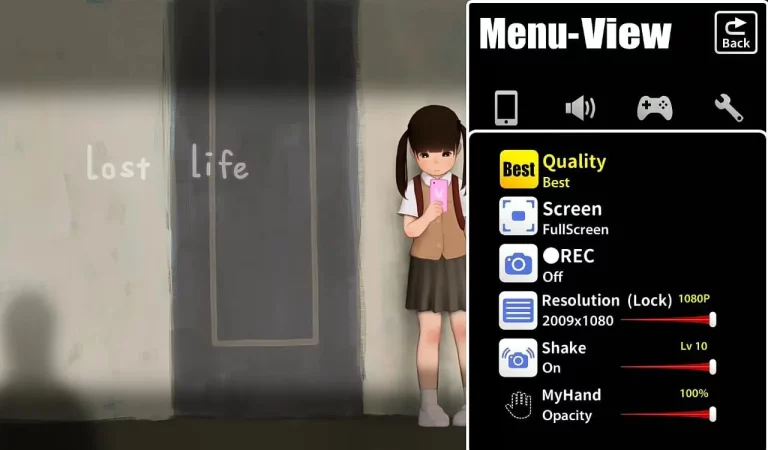
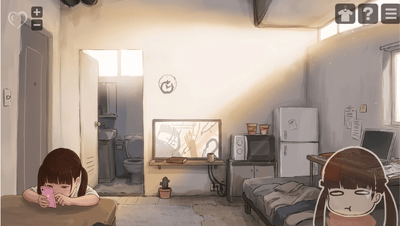
Lost Life turned a quiet school setting into one of the most unsettling mobile horror experiences in recent memory. It wasn’t built on jump scares or monsters. Instead it leaned on something harder to shake off: watching a character you were supposed to protect slowly change knowing your own choices were partly responsible.
If you’re new to the game, check out our Lost Life Gameplay Guide to understand why its psychological horror and choice-based mechanics make it so unique.
What Makes Lost Life Unique?
Lost Life strips horror down to its psychological core. There’s no combat to master no weapons inventory. Tension comes from watching behavior shift in small believable ways and from knowing one careless decision can close off an entire story path. The slow burn pacing and minimal interaction keep the focus on emotional unease rather than action.
To better understand the game’s narrative, read our detailed Lost Life Characters Explained guide.
Why Players Look for Games Like Lost Life
Most players aren’t searching for “more horror” in a generic sense. They want dread built through story and consequence rather than gore or reflexes. Lost Life is also a fairly short experience so once every ending is unlocked, players naturally start hunting for titles that deliver the same tension over a longer stretch.
Many players continue exploring the game by unlocking every ending. See our complete Lost Life Endings Guide.
What Similarities This List Focuses On
Every entry below shares at least two or three traits with Lost Life:
Psychological horror: dread built through atmosphere and uncertainty rather than combat.
Choice-based gameplay: decisions that carry real narrative weight.
Multiple endings: different actions leading to genuinely different outcomes.
Story-driven experience: narrative as the main draw not mechanics.
Survival mechanics: light resource or environmental tension without full action gameplay.
Quick Comparison Table
| Game | Horror | Story | Choices | Multiplayer | Platform |
|---|---|---|---|---|---|
| The Baby in Yellow | High | Light | Limited | No | Mobile, PC |
| Granny | High | Minimal | No | Limited | Mobile, PC |
| Eyes: Horror & Co-op Multiplayer | Medium | Minimal | No | Yes | Mobile, PC |
| Hello Neighbor | Medium | Light | Limited | No | Mobile, PC, Console |
| Identity V | Medium | Moderate | Limited | Yes | Mobile, PC |
| Five Nights at Freddy’s 4 (FNAF 4) | High | Moderate | No | No | Mobile, PC |
| Detention | High | High | Moderate | No | PC, Console |
| Misao | Medium | High | Moderate | No | PC |
| Mad Father | Medium | High | Moderate | No | PC |
| Corpse Party | High | High | Moderate | No | PC, Console, Mobile |
| Fran Bow | Medium | High | High | No | PC, Mobile |
| Little Nightmares | High | Moderate | No | No | PC, Console |
| LIMBO | Medium | Light | No | No | PC, Console, Mobile |
| Life is Strange | Low | High | High | No | PC, Console |
| Resident Evil 7 | High | High | Low | No | PC, Console |
Best Games Like Lost Life
1. The Baby in Yellow
Overview: You babysit a child who is quite obviously not normal. Simple caretaking tasks slowly turn into a fight against something hiding behind an innocent face.
Why It’s Similar: Both games use the contrast between innocence and dread and neither explains exactly what’s happening.
Key Features: First person caretaking with a dark twist; short replayable sessionsb
surreal glitch visuals.
Pros: Quick horror loop strong atmosphere despite simple visuals.
Cons: Limited narrative depth repetitive over time.
Available On: Android, iOS, PC.
2. Granny
Overview: You wake up trapped in a house guarded by a violent elderly woman with five days to escape.
Why Players Like It: Tension built through environment not action both games punish careless movement.
Key Features: Stealth survival randomized item placement multiple difficulty modes.
Pros & Cons: Genuinely tense and replayable but story is minimal and runs can feel repetitive.
3. Eyes: Horror & Co-op Multiplayer
Overview: Collect items in a haunted building while avoiding a ghost that hunts by sound.
Gameplay: Co-op mode turns personal dread into shared group panic unlike Lost Life’s solo focus.
Key Features: Co-op multiplayer sound based AI multiple maps.
Pros & Cons: Great with friends and easy to learn but lacks narrative weight and maps repeat.
4. Hello Neighbor
Overview: A curious kid investigates a neighbor hiding something terrible in his basement, opposed by adaptive AI that learns your habits.
Similarities: Both hide horror behind a deceptively normal setting before things unravel.
Features: Adaptive AI, puzzle-based progression escalating chapters.
Pros & Cons: Unpredictable and puzzle-rich but story is more implied than explicit, and mobile controls can feel clunky.
5. Identity V
Overview: Gothic asymmetric multiplayer horror one player hunts while others escape a manor of secrets.
Multiplayer Horror: Offers the unpredictability of being hunted by a real person unlike Lost Life’s scripted solo story.
Features: Asymmetric multiplayer detailed character lore Gothic art direction.
Pros & Cons: Deep lore and strong replay value but needs a stable connection and has a learning curve.
6. Five Nights at Freddy’s 4
Overview: No cameras this time survive by listening for footsteps and breathing in the dark.
Horror Experience: Relies on audio cues and silence just like Lost Life’s environmental awareness.
Features: Sound-based survival minimalist tense loop, rich series lore.
Pros & Cons: Intense and focused, but light on choice based gameplay with steep difficulty spikes.
7. Detention (Psychological horror)
Story: Set in a Taiwanese high school under martial law, two students are trapped in a nightmarish version of their school shaped by guilt and folklore.
Why It Feels Like Lost Life: Shares the school setting and slow narrative reveal over visual shock.
Features: Side-scrolling exploration deep cultural narrative layers multiple story reveals.
8. Misao
Overview: An RPG Maker classic about a missing classmate and the dark secrets a school hides about her.
Horror & Puzzle Gameplay: Investigative pacing mirrors Lost Life’s attention-to-detail approach.
Features: Classic horror presentation, multiple playable perspectives, puzzle-driven horror set pieces.
9. Mad Father
Story Overview: A young girl explores her father’s mansion after discovering his disturbing experiments.
Horror Elements: Like Lost Life, dread comes from people close to the protagonist, not external monsters.
Features: Branching paths multiple endings tied to choices strong emotional storytelling.
If multiple endings are your favorite part of Lost Life, don’t miss our complete Lost Life Hidden Secrets guide.
10. Corpse Party
Overview: Students are transported to a cursed version of their school after a friendship charm goes wrong, then hunted one by one.
Why Fans Love It: Unflinching tone and permanent-feeling consequences, much like Lost Life.
Features: Multiple playable characters branching paths intense narrative content.
11. Fran Bow
Psychological Story: A girl escapes a mental institution to find her cat in a world where reality and hallucination blur.
Features: Point-and-click mechanics, a pill mechanic shifting between realities, dark psychological themes.
12. Little Nightmares
Story: A small child tries to escape a ship filled with grotesque, oversized inhabitants, told almost without dialogue.
Horror Style: Captures the same vulnerability against a larger threat that Lost Life players felt.
Features: Atmospheric platform-puzzle gameplay dialogue free storytelling, distinctive art direction.
13. LIMBO
Dark Atmosphere: A boy navigates a monochrome dreamlike world searching for his sister.
Puzzle Gameplay: Trial-and-error design echoes Lost Life’s punishment for careless decisions.
Features: Minimalist visuals physics-based puzzles ambiguous narrative.
14. Life is Strange (Choice-based alternative)
Story: Max Caulfield can rewind time and uses it to investigate a friend’s disappearance.
Decision-Based Gameplay: The strongest match for players who loved Lost Life mainly for its choice-driven structure.
Features: Time-rewind mechanic episodic storytelling, multiple distinct endings.
15. Resident Evil 7
Survival Horror: A decaying Louisiana house hunted by a disturbed supernatural family heavier on combat but sharing the same claustrophobic dread.
Features: First-person survival horror resource management strong exploration driven narrative.
Which Game Is Most Similar to Lost Life?
Mad Father and Detention come closest in tone, while Life is Strange matches the choice-and-consequence structure most precisely.
Best for psychological horror: Detention and Fran Bow.
Best for story lovers: Corpse Party and Mad Father.
Best for survival fans: Resident Evil 7 and Granny.
Best for mobile players: Granny, The Baby in Yellow, and Eyes.
Best for PC gamers: Little Nightmares, LIMBO, and Resident Evil 7.
Games Like Lost Life for Android
Granny, Eyes: Horror, The Baby in Yellow, Identity V, Hello Neighbor.
Games Like Lost Life for PC
Resident Evil 7, Little Nightmares, Detention, Corpse Party, Fran Bow.
How We Selected These Games
Every game was judged against what actually makes Lost Life work not just the word “horror” in its description:
Horror atmosphere — built through tone and environment, not just combat.
Story quality — strong enough to carry the experience alone.
Psychological tension — driven by uncertainty and character behavior.
Choice-driven gameplay — decisions that meaningfully change outcomes.
Player ratings — solid community reception.
Replay value — rewards multiple playthroughs like Lost Life’s endings.
Frequently Asked Questions
conclusion
Best overall alternative: Mad Father for matching Lost Life’s blend of personal horror branching choices and multiple endings.
Best mobile alternative: Granny for tense replayable horror in short sessions.
Best story driven alternative: Corpse Party for its layered narrative and heavy consequences.
Best psychological horror game: Detention for building dread through atmosphere and memory rather than jump scares.
There’s no single “correct” pick each game leans into a different strength. Players who loved Lost Life for its choices will get the most from Life is Strange or Mad Father, while those drawn to its quiet dread might prefer Detention or Little Nightmares. Match the game to the part of Lost Life that stuck with you most: the story, the tension or the weight of every decision.